History of the Pasty
The pasty has deep roots in the mining history of Michigan’s Upper Peninsula. The tradition began in the 1800s when miners from Cornwall, England immigrated to the region to work in the copper and iron mines. They brought with them the traditional Cornish pasty (also spelled “pastie”), a hearty hand pie filled with meat and vegetables that was easy to carry and eat during long shifts underground.
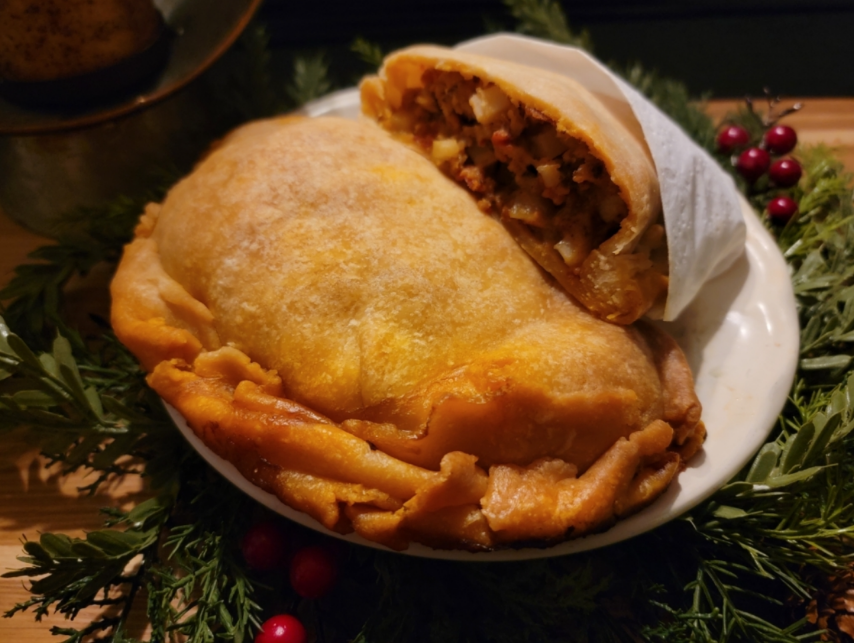
A classic pasty is wrapped in a sturdy pastry crust and typically filled with beef, potatoes, onions, and rutabaga (also called a “Swedish turnip”) which adds a mild sweet and savory flavor. It was filling, portable, and could be eaten without utensils. The thick crust allowed miners to hold the pasty with dirty hands while eating the filling inside, and some miners would discard the crust afterward. Don’t worry, at Tom and Jen’s the crust is worth eating too.
As more immigrants arrived in the Upper Peninsula, including Italian, German, Finnish, and other communities, the pasty quickly became a staple throughout the mining towns. Families passed down their recipes and added their own variations over time. These traditions helped the pasty become an important part of the region’s culture and identity.
Our Tradition
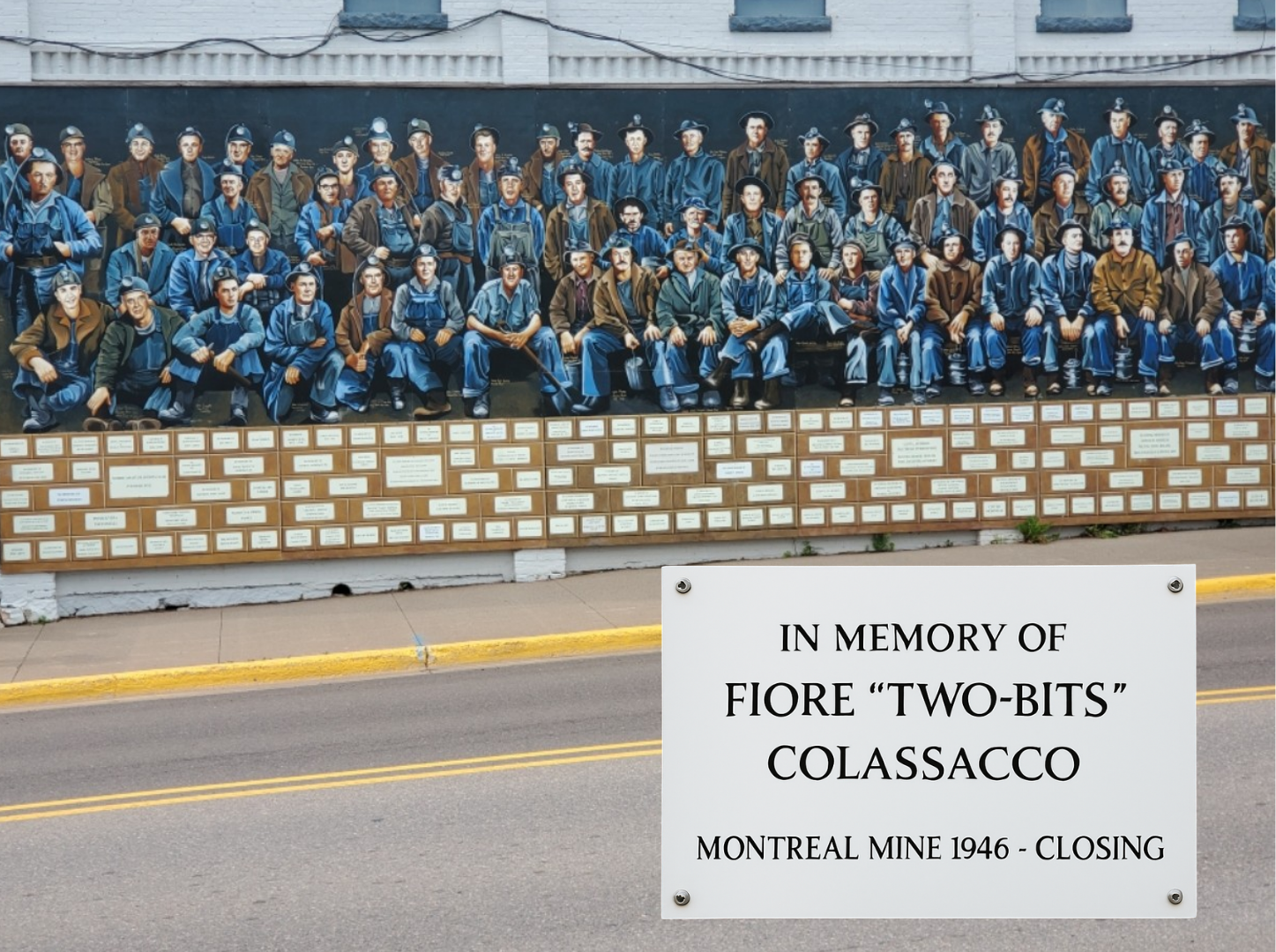
At Tom and Jen’s Pasty Company, we’re proud to bring a piece of local history back to the table. Our pasties are inspired by a classic 1940s recipe that my (Jen’s) great-grandfather, Fiore “Two-Bit” Colassacco, carried with him while working in the Montreal Mines in Montreal, Wisconsin. For generations, pasties have been more than just a meal in our family. They have been a tradition.
Every spring, while I (Jen) was growing up, my family gathered at my grandparents’ house to make pasties together and restock our family’s supply for the year. Those days were filled with laughter, stories, and the comforting smell of fresh pasties baking in the oven. Today, we are proud to carry that tradition forward. Our recipe has been passed down and refined over the years, adding a little extra flavor while still honoring the classic taste that has made pasties a Northern favorite for generations.
Growing up in the Marinette-Menominee area has shown us just how strong community traditions really are. From the excitement of the M&M game to the celebrations of Logging and Heritage Days and the bravery of the Polar Plunge, these events bring people together and highlight the pride we all share in this region. The people of Marinette and Menominee have always supported one another through everything, from everyday life to friendly sports rivalries.
As Tom and Jen’s Pasty Company grows, we’re excited to become an even bigger part of this community we love. Our goal is simple: to serve delicious, traditional pasties while honoring the heritage, hard work, and community spirit that make this area so special.